History and Current Facts About Northumberland County
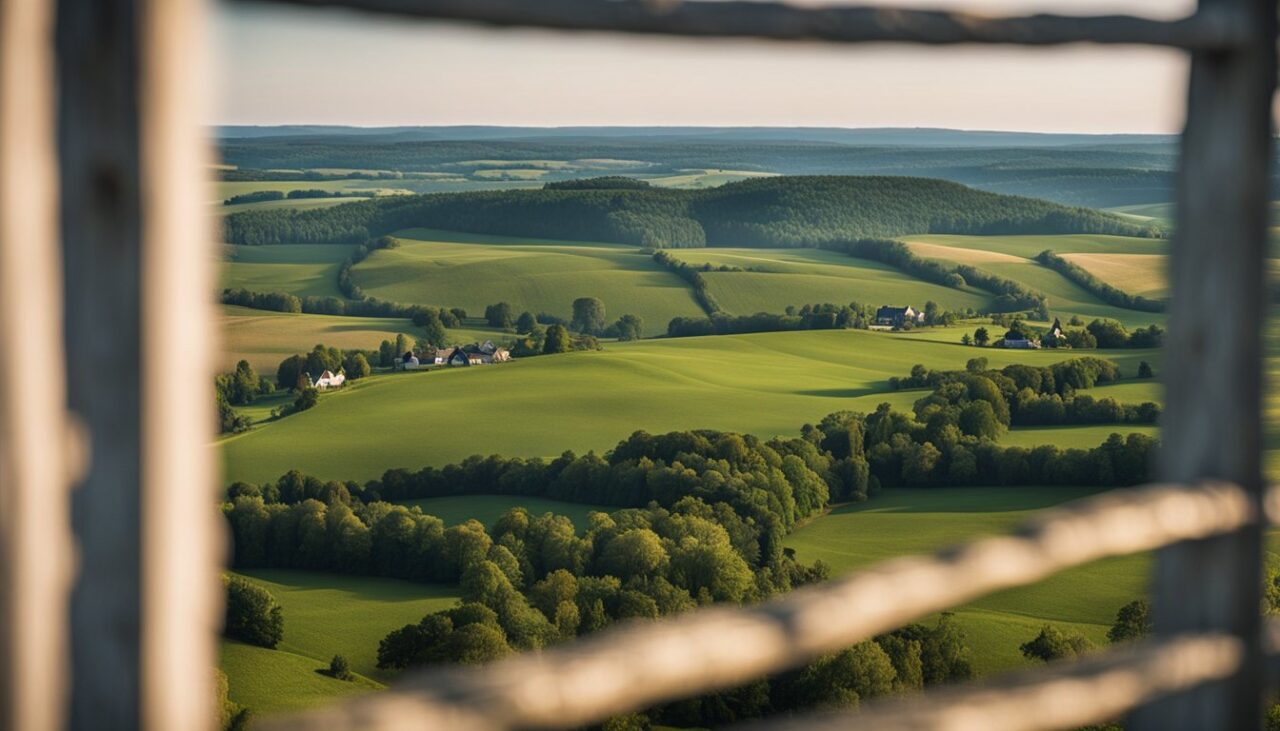
Nestled in the heart of Ontario, Northumberland County offers a rich tapestry of history and vibrant communities. Established in 1792, this area was initially settled by a diverse mix of Irish, Scottish, English immigrants, and Americans moving north. Cobourg, a bustling hub, and the nearby town of Port Hope are renowned for their charming historic architecture and scenic waterfronts. These towns provide a unique blend of old-world charm and modern amenities that continue to draw visitors and new residents alike.
The county is divided into several municipalities, including Trent Hills, Alnwick/Haldimand, Cramahe, and Brighton. Each of these areas contributes its own flavor to the region. For instance, Trent Hills is known for its beautiful landscapes and outdoor activities. Meanwhile, Brighton is celebrated for its community events and welcoming atmosphere. These regions thrive on their unique cultures and local pride, offering both residents and visitors a range of experiences.
Northumberland County has evolved over the years, adapting to the needs of its growing population. Known for its welcoming communities, it continues to attract people with its blend of natural beauty and cultural heritage. With each area offering something distinct, the county stands as a testament to the rich history and dynamic present of Ontario.
History and Heritage
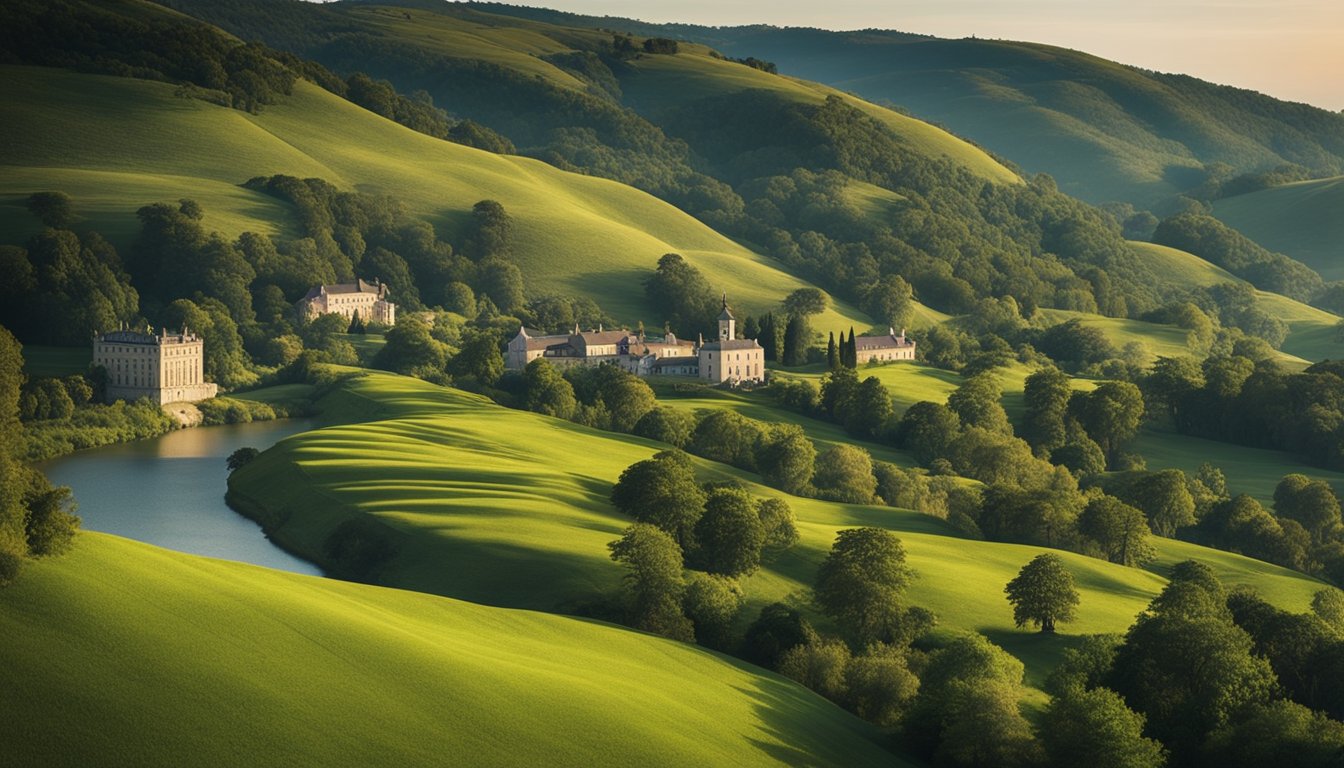
Northumberland County has a rich past, shaped by pioneering settlers and the cultural influence of indigenous communities. Key highlights include the formation of the county, the role of the Alderville First Nation, and historic landmarks.
Founding of Northumberland County
Northumberland County was formed as part of Upper Canada. Originally settled in the early 1800s, it was once characterized by dense forests and a developing community.**
The region was officially established in the mid-19th century, with boundaries that included significant areas that are now thriving municipalities. Early settlers focused on agriculture, benefiting from fertile lands. Over time, Brighton Township and other areas developed important infrastructure and began their unique paths to growth.**
Mapping and land surveys helped organize these areas, laying the groundwork for today’s structured communities. the county has seen steady development momentum while preserving unique historical traits.
Alderville First Nation and Local Settlements
The Alderville First Nation has played a crucial role in the area’s development. They established significant settlements and brought rich cultural traditions that remain evident today.
Located within the county, Alderville First Nation is a vibrant community that maintains its traditional practices. Their settlements once influenced local trade and interactions with European settlers, leaving a mark on how the region was shaped.**
Various agreements and interactions led to unique blended cultures, reflecting in local art, crafts, and customs. Today, their contributions are remembered and celebrated, enriching Northumberland’s diverse heritage.
Historic Sites and Museums
Northumberland is home to fascinating historic sites and museums, perfect for history buffs. These sites are marked by plaques and immersive walking tours that tell the region’s story.
Key places include preserved buildings from the Victorian era and structures reflecting early pioneer life. The county offers sites like century-old town halls and homes, showcasing the architectural achievements of early settlers.
Local museums house artifacts, showcasing items such as agricultural tools, clothing, and personal items from early residents. Through guided tours and exhibits, visitors get a glimpse of life in the past, making these sites invaluable for history enthusiasts.
Culture, Recreation, and Natural Beauty
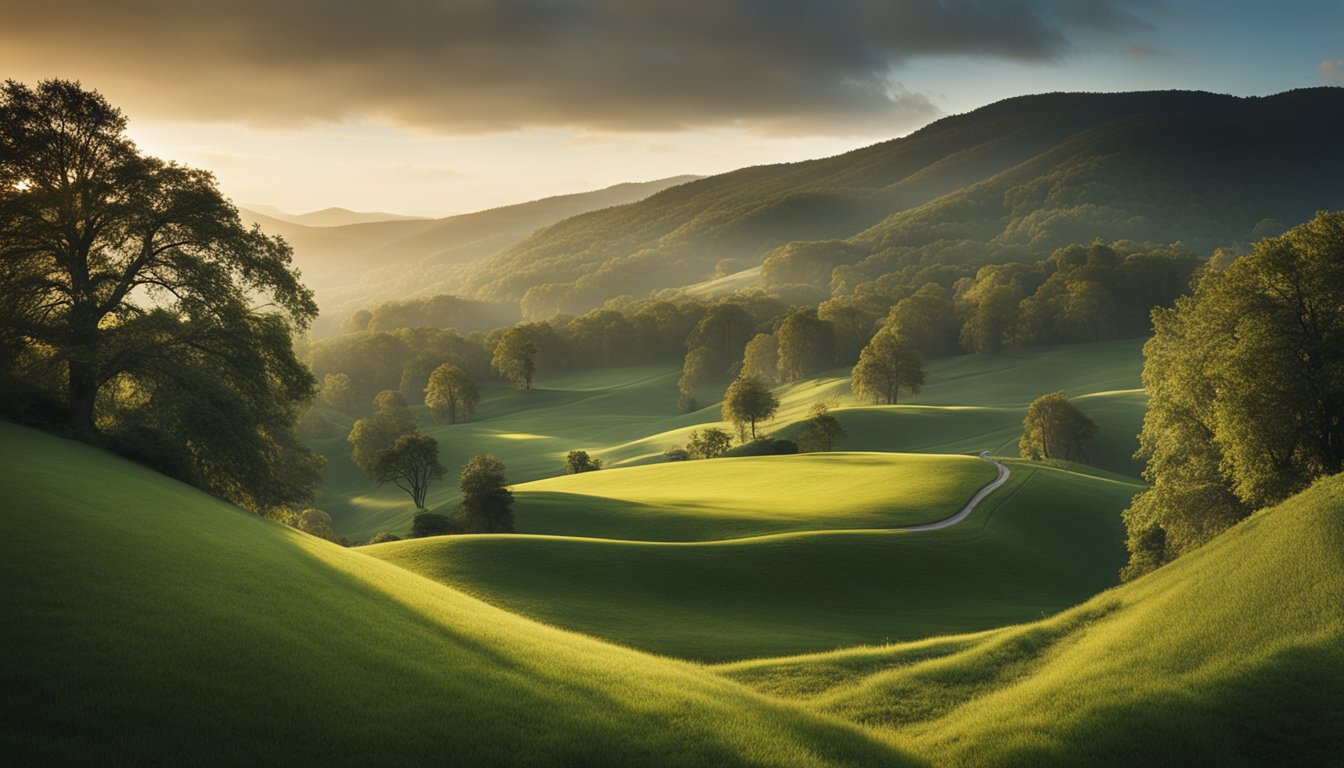
Northumberland County offers a rich tapestry of cultural events, captivating outdoor activities, and lush landscapes. From remarkable festivals to charming countryside, it’s a place that promises a variety of experiences for both locals and visitors.
Festivals and Events
Northumberland County hosts a variety of vibrant festivals that reflect its lively culture. The Cobourg Sandcastle Festival is a favorite, bringing people together to admire intricate sand sculptures. Meanwhile, food lovers won’t want to miss the Incredible Edibles Festival, which celebrates local produce with delicious offerings.
Film enthusiasts can enjoy the Vintage Film Festival, showcasing classic films in unique locations. These events not only provide entertainment but also foster a sense of community and highlight the region’s diverse heritage.
Provincial Parks and Trails
Nature lovers will find Northumberland’s parks and trails breathtaking. Presqu’ile Provincial Park is ideal for bird watching and camping, featuring beautiful waterfront campsites.
Ferris Provincial Park offers scenic views and is known for its suspension bridge. For those eager to explore on foot, the Ganaraska Forest and Northumberland County Forest provide extensive outdoor trails, including parts of the Waterfront Trail and Trans-Canada Trail.
Agriculture and Local Economy
Agriculture plays an essential role in Northumberland’s economy and cultural identity. The county is dotted with farms producing a range of crops, contributing to local markets and festivals like the Incredible Edibles Festival. This focus on agriculture supports local businesses and brings tourism through farm tours and community events.
Recreational activities also boost the economy, with opportunities for hiking, cycling, and water-based adventures attracting visitors. The connection between agriculture, recreation, and community helps shape the vibrant life of Northumberland County.
Frequently Asked Questions
Northumberland County, Ontario, blends a rich history with a vibrant present. This section explores its origins, population details, key towns, attractions, and recent demographic changes with clear and specific information.
What are the historical origins of Northumberland County in Ontario?
Northumberland County was established in 1792. It was organized with neighboring Durham County into the Newcastle District in 1802. Early settlers included Irish, Scottish, English immigrants, and some Americans from New England.
What is the current population of Northumberland County, Ontario?
The current population of Northumberland County is approximately 90,000 people. This community is diverse, with residents living in a mix of urban and rural settings.
What are the major towns and municipalities within Northumberland County?
Key towns in Northumberland County include Cobourg and Port Hope. These towns are hubs for local events and community activities, each offering unique attractions and amenities.
What notable landmarks and attractions can be found in Northumberland County?
Cobourg Beach is a popular spot, drawing visitors to its sandy shores. The Reforestation Act in 1921 and subsequent planting of millions of trees also add a lush, green aspect to the area.
How has Northumberland County’s demographic and economic profile changed in recent years?
In recent years, Northumberland County has seen growth in its residential areas, with a steady influx of young families and retirees. The shift has brought economic opportunities in sectors like retail and services.
Can you provide a brief overview of Northumberland County’s geographical boundaries?
Northumberland County is located on the north shore of Lake Ontario. Its geographical boundaries extend from Brighton in the east to Clarington in the west, encompassing a variety of landscapes from lakeside to rural and agricultural areas.